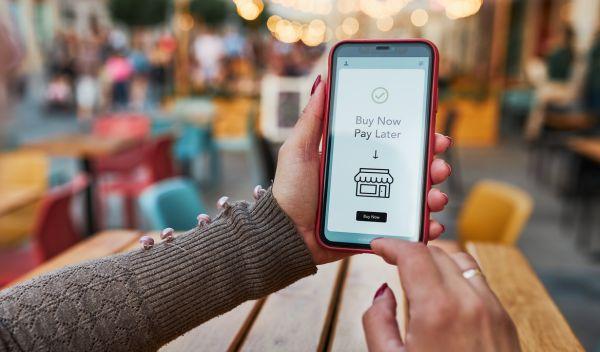
At Zing, we focus on tools that help you feel confident about your money. Buy Now, Pay Later (BNPL) services are one of those tools—popular, convenient, and increasingly available across everyday shopping. The affects of buy now pay later go beyond the checkout button. These plans can change how you budget, what you buy, and how you manage debt. This guide breaks down the pros and cons of buy now pay later, how BNPL works, and practical steps to use it wisely. We’ll also touch on familiar providers like Afterpay and Klarna so you know what to look for before you tap “confirm.”
Understanding Buy Now, Pay Later
BNPL lets you split a purchase into smaller, set payments—often every two weeks or monthly. Many plans advertise no interest when you pay on time. You’ll usually see BNPL at checkout online and in-store, and you might also find it embedded in apps, wallets, and even dedicated cards. You pay the first installment, the provider pays the merchant, and you repay the provider on a schedule. Popular names include Afterpay and Klarna, and each one runs a little differently in terms of fees and credit reporting.
Compared to traditional financing, approvals for BNPL are quick and often rely on soft credit checks. Credit cards, in contrast, offer revolving credit, rewards, and strong protections—but can be costly if you carry a balance. Personal loans provide fixed terms and predictable interest, but take longer to apply for and fund. Layaway holds the item until you pay in full; BNPL delivers it right away. Convenience is a major reason people opt for a buy now pay later loan, particularly for short-term needs and mid-sized purchases.
BNPL use is strong with mobile-first shoppers who like predictable payments and simple checkout. As services expand into travel, healthcare, home improvement, and services, adoption is rising across age groups. Consumers who are building credit may find a buy now pay later loan accessible, but managing multiple plans can get tricky fast. Understanding the affects of buy now pay later early on can help you prevent overlapping payments and unplanned costs.
Impact on Consumer Spending Habits
Breaking a price into installments can make purchases feel more manageable. That lower upfront cost reduces the “ouch” factor, which can lead to more impulse buys—especially in categories like apparel, beauty, and gadgets. It’s common to see shoppers add a premium upgrade or extra accessories when the difference per installment looks small.
Retailers often report higher conversion rates and bigger baskets after enabling BNPL. In other words, customers are more likely to check out and spend more. The framing of installments shifts how affordability is perceived. This is one of the clearest examples of the affects of buy now pay later on day-to-day decision-making.
From a budgeting standpoint, BNPL can help align payments with your paychecks, but only if you track everything carefully. When you juggle multiple providers like Afterpay and Klarna, it’s easy to overcommit. A simple fix is to treat every BNPL payment like a bill—add due dates to your calendar, monitor what’s outstanding, and set a personal cap for total installments each month.
Source: Harvard Business Review
Psychological Effects of BNPL
Installment framing reduces the immediate pain of paying. Seeing $50 four times instead of $200 once can change how a purchase feels. That can be helpful for planned, necessary buys, yet it also nudges you toward items you might have skipped if the full price were front and center.
Fast approvals and low upfront costs can boost confidence and lead to up-sizing—choosing the nicer model, adding extra services, or tossing in one more item because “it’s only a few dollars more per payment.” Limited-time offers and persuasive checkout design amplify this effect. Over time, regularly turning to BNPL for everyday items can blur the line between wants and needs, making it tougher to prioritize essentials.
Long-term outcomes depend on steady repayment and how often you use these plans. Used carefully, BNPL can smooth cash flow and help you avoid higher-interest debt. If payments are missed or multiple plans stack up, the opposite happens, financial stress rises. Some providers may report late payments or send delinquent accounts to collections, which can harm your credit score and increase borrowing costs.
Benefits of Buy Now, Pay Later
- Predictable payments: Installments can align with your pay cycle so you can plan a purchase without taking on revolving debt.
- Interest savings: Many plans charge zero interest when every payment is on time, making a buy now pay later loan appealing for short-term, budgeted purchases.
- Accessibility: BNPL approvals may be easier for those with thin credit files, giving more people a path to spread costs responsibly.
- Convenience: Seamless checkout, whether through Afterpay, Klarna, or another provider, can reduce cart abandonment and help you secure necessary items quickly.
For merchants, higher conversion and repeat engagement can translate into better deals or exclusive offers. For you, the main advantage is flexibility when you already have a plan to pay. Keep in mind: the pros and cons of buy now pay later can shift depending on the provider’s policies and your repayment habits.
Risks Associated with Buy Now, Pay Later
- Overspending: Small installments add up. Multiple plans across providers like Afterpay and Klarna can strain your monthly budget if not tracked closely.
- Fees and collections: Missed payments can trigger late fees and potential collections activity, increasing total cost.
- Credit impact: Some BNPL providers don’t report on-time payments, so responsible use may not build credit. Others may report late payments, which can hurt your score.
- Fewer standardized protections: Credit cards often offer consistent chargeback rights and fraud protections. BNPL protections vary, and returns or disputes can be more complex.
Before you accept a buy now pay later loan, confirm the provider’s policies on fees, late payments, credit reporting, and hardship support. This is where understanding the pros and cons of buy now pay later becomes essential.
How BNPL Compares to Other Payment Options
| Payment Option |
Key Features |
Pros |
Cons |
| BNPL (e.g., Afterpay, Klarna) |
Installments, fast approvals, often no interest with on-time payments |
Predictable payments, accessibility, immediate delivery |
Overspending risk, uneven protections, mixed credit reporting |
| Credit Cards |
Revolving credit, rewards, widespread acceptance |
Strong protections, credit-building potential, perks |
High interest if balances are carried, potential fees |
| Personal Loans |
Fixed terms, lump-sum funding, clear amortization |
Predictable costs, potentially lower rates for qualified borrowers |
Formal application process, slower funding, hard credit checks |
| Layaway |
Pay over time, item received after full payment |
No interest, lower risk of debt |
Delayed access, fewer merchants offer it |
Smart Strategies for Using BNPL
BNPL can fit neatly into a healthy budget when you set clear rules and stick to them. Try these tips to stay in control:
- Set a monthly cap for all installments combined and reduce it if your income varies.
- Limit the number of active plans—two or three at a time keeps tracking manageable.
- Use a budgeting app or calendar for due dates and turn on autopay to avoid late fees.
- Prioritize essentials and planned purchases. For non-essentials, wait 24 hours before finalizing a plan.
- Read the terms before every purchase, focusing on fees, credit reporting, dispute processes, and hardship options.
- Avoid using BNPL for recurring expenses like groceries or utilities. That can signal a budget gap and lead to rolling debt.
- Keep a small buffer in your checking account to prevent failed payments.
- If you’re facing a tight month, contact the provider early to explore extensions or relief options.
These simple guidelines help you capture the benefits while managing the pros and cons of buy now pay later with confidence.
Credit outcomes depend on the provider and your repayment track record. Some BNPL companies don’t report on-time payments, so you may not get credit-building benefits for responsible use. Others may report delinquencies or send accounts to collections, which can lower your score and increase future borrowing costs. Before you accept a buy now pay later loan, check:
- Credit checks used (soft vs. hard) and how often they occur.
- What gets reported to credit bureaus (on-time, late, or both).
- Fee structure, including late fees, rescheduling fees, and interest after missed payments.
- Hardship programs and how to request help before a due date.
For overall financial wellness, BNPL can smooth cash flow, but heavy dependence on installments can crowd out essentials and savings. A balanced plan fits BNPL into your budget, keeps a cushion for emergencies, and limits total debt. Understanding the pros and cons of buy now pay later—and the different policies of Afterpay, Klarna, and other providers—helps you protect your credit while using these tools effectively.
Quick Tips to Stay in Control
- Ask yourself before you split a purchase: Is it planned, essential, and in budget?
- Total all your installments across providers like Afterpay and Klarna and confirm you can afford the combined monthly amount.
- Stick with one or two BNPL providers so obligations are easier to track.
- Turn on autopay and alerts to avoid late fees and protect your credit.
- Review your budget weekly to catch overlaps or upcoming due dates.
Bottom Line
BNPL can be a helpful way to manage short-term expenses and avoid interest on planned purchases. It can also lead to overspending if multiple plans pile up. The key is intentional use. Understand the affects of buy now pay later, know your provider’s terms, and track every installment like a bill. Keep your total BNPL commitments within a budget that also supports savings and essentials. When used with care—across providers like Afterpay, Klarna, and others—a buy now pay later loan can offer flexibility while keeping your financial health front and center.